
Ultimate Guide to Poker Tells
Smarter Bet Guide to Poker
Why Tilt Is Still Poker’s Most Dangerous Opponent
Every poker player knows the feeling. You sit down feeling sharp. The session starts well. You’re making good decisions, picking up small pots, maybe even hitting a nice value bet on the river.
Then There are occasions when we here at ReadyBetGo want to bring you interesting facts about the gambling industry When something catches our eye, we will publish it for your enjoyment.
it happens. A bad beat. A ridiculous call. A runner-runner straight that shouldn’t exist. Suddenly, your chest tightens a little. You start clicking faster. You replay the hand in your head like it was personal.
And just like that, you’re not playing poker anymore. You’re playing emotion.
Tilt is one of the oldest concepts in poker, and somehow, it’s still the most relevant. Not because the game hasn’t evolved - it has - but because human psychology hasn’t.
Cards change. Formats change. Players change.
Tilt stays exactly the same.
What Tilt Actually Is (And Why It’s Not Just Anger)
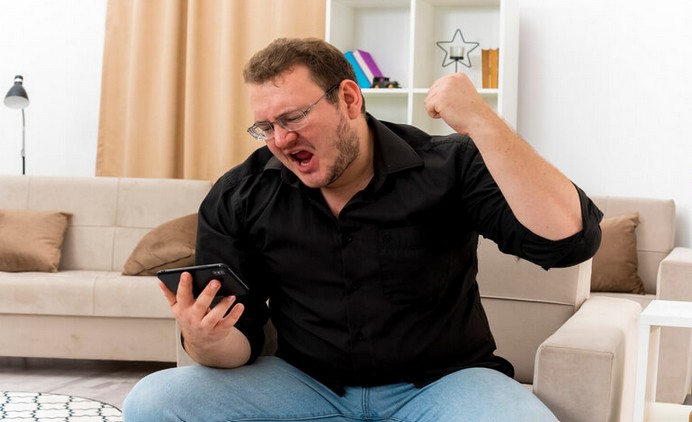
A lot of people think tilt is simply getting mad. But tilt is broader than that. Tilt is any emotional shift that pulls you away from your normal decision-making.
That can look like:
- Rage after a bad beat
- Frustration after folding too much
- Overconfidence after winning a big pot
- Desperation when you’re down money
- Impatience when the table feels slow
Tilt is basically poker’s version of losing your mental balance. And the scary part is, you often don’t notice it until the damage is done.
Most players don’t go broke because they don’t understand poker theory. They go broke because they stop following it under pressure.
The Most Common Triggers That Send Players Into Tilt
Tilt rarely comes from nowhere. It builds up, usually from a few predictable situations.
Bad Beats That Feel Personal
You get your money in with kings. Opponent calls with something awful. The flop is clean. The turn is safe. Then the river hits the one card in the deck that ruins you.
It’s not the loss that hurts - it’s the injustice of it. Poker tilt loves injustice.
Feeling Like You “Deserve” to Win
This is a sneaky one. When you’ve been playing well, you start feeling entitled to results. So when variance shows up, it feels unfair.
But poker doesn’t reward effort. It rewards correct decisions over time. Tilt happens when you confuse those two things.
Chasing Losses
The moment you start thinking: “I just need to get back to even…” You’re in dangerous territory.
That mindset turns poker into recovery mode instead of strategy mode. Players widen ranges, force bluffs, and stop being patient. That’s how sessions spiral.
Ego and Table Pride
Poker is competitive. Nobody likes being pushed around. So when someone keeps 3-betting you or bluffing you, it can feel like a challenge. Tilt often begins as ego.
Tilt Doesn’t Always Look Like Tilt
Here’s what separates experienced players from beginners:
Beginners think tilt is obvious. Pros know tilt is subtle. Sometimes, tilt looks like anger.
But sometimes it looks like:
- Playing faster than usual
- Calling when you know you shouldn’t
- Getting bored and opening junk hands
- Bluffing in bad spots just to “make something happen”
- Ignoring table dynamics because you’re mentally checked out
That’s why tilt is so dangerous. It disguises itself as normal play.

The Real Cost of Tilt (It’s Bigger Than One Hand)
Most players think tilt costs them one stack. In reality, tilt costs much more than that.
Tilt affects:
- Your decision quality
- Your bankroll stability
- Your confidence
- Your long-term win rate
- Your enjoyment of the game
One tilted session can undo a week of disciplined grinding. And worse, repeated tilt creates bad habits. You start associating poker with frustration instead of focus.
That’s when players quit - not because they’re bad, but because they’re mentally exhausted.
Why Modern Online Poker Makes Tilt Even Worse
Online poker is a tilt factory.
Think about it:
- Faster hands
- Multi-tabling
- No physical presence
- Instant reload buttons
- Anonymous opponents
- Less time to breathe between decisions
In live poker, tilt has speed bumps. You have to shuffle chips, wait for hands, and look people in the eye. Online, tilt can accelerate in minutes.
It’s one reason many players bounce between different gambling formats when they’re emotional - poker one moment, sports the next. That overlap is why you’ll sometimes see players browsing boxing betting sites on OnlineBookies.uk, chasing that same adrenaline hit in a different form.
How Strong Players Actually Handle Tilt
Here’s the truth: Great players don’t “never tilt.” They just manage it better. Tilt control isn’t about being emotionless. It’s about awareness and structure.
They Recognise the First Signs
Pros know their personal tilt signals. Maybe it’s clicking buttons too quickly. Maybe it’s replaying hands mentally. Maybe it’s irritation at small things.
They catch it early, before it becomes a full spiral.
They Take Breaks Without Ego
One of the strongest poker skills is simply standing up. Not rage-quitting or storming off. Just calmly closing the session because your mind isn’t right. That’s discipline.
They Focus on Decisions, Not Outcomes
Bad beats don’t matter if you played correctly. That’s easy to say, hard to live.
But strong players train themselves to think: “Did I make the right play?” not: “Did I win the pot?” Variance is noise. Decisions are signals.
They Build Routines
Many grinders have rituals:
- Stop-loss limits
- Session time caps
- Short walks after big pots
- Hand reviews instead of instant reloading
Poker becomes healthier when it’s treated like a skill game, not an emotional rollercoaster.
Can Tilt Ever Be Eliminated?
Honestly? Probably not. You’re human. Tilt is part of the competition. Even elite athletes tilt. Footballers lose composure. Boxers get reckless. Chess players blunder under stress.
Poker is no different. The goal isn’t to become a robot. The goal is to shorten the tilt window, notice it faster, recover quicker, lose less money during it, and learn from it afterward.
Why Managing Tilt Matters
Poker strategy keeps evolving. Solvers get sharper. Players get tougher. Games get faster. But tilt remains timeless because it’s not about poker. It’s about humans.
And as long as poker involves money, ego, variance, and pressure, tilt will always be sitting at the table - waiting for a crack in your focus.
The players who succeed long-term aren’t the ones with perfect luck. They’re the ones who stay mentally steady when luck turns ugly.
Because in the end, the toughest opponent in poker isn’t across the table. It’s inside your own head.