
Problem Gambling and Its Treatment
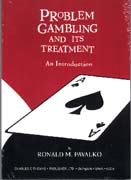
This book is an introduction to the topic of problem gambling and its treatment. Throughout the book, a variety of different data and information is drawn upon to understand problem gambling and its treatment. The data is based on solid research whenever possible. This includes the results of both survey research and case studies. The book follows a logical sequence, beginning with the development of an understanding of problem gambling and ending with a discussion of different kinds of treatment. The book will be useful as an introductory text for students taking courses in counseling, mental health and illness, social work, social problems and public policy. Public policymakers involved in the legalization, expansion, and regulation of commercial gambling will also find the book useful. 160 pages, paperbound, 2002
The Ripple Effect: How Gambling Problems Impact More Than Just the Gambler
Gambling is often portrayed as a solitary activity, a personal battle between an individual and the allure of a win. However, the reality of a gambling problem, clinically known as gambling disorder, There are occasions when we here at ReadyBetGo want to bring you interesting facts about the gambling industry When something catches our eye, we will publish it for your enjoyment.
is far from a solo struggle. Like a stone cast into a pond, the effects of a gambling problem create ripples that extend far beyond the individual, touching the lives of family, friends, and the wider community. At The Gambling Clinic, we understand that for every person struggling with gambling, there are many others who are also profoundly affected. In fact, our research shows that on average, each person with a gambling problem negatively impacts six other people.
This post will explore the far-reaching consequences of gambling addiction, drawing on our experience as a leading treatment provider in Tennessee. We aim to shed light on these often-hidden impacts, not to shame, but to foster understanding and encourage a more comprehensive approach to healing—one that includes not just the individual, but their entire support system.
The Emotional Toll on Loved Ones
For family and friends, the emotional impact of a loved one's gambling problem can be immense. The constant worry, stress, and anxiety can be overwhelming. As The Gambling Clinic's resources for friends and family point out, "The impact of gambling addiction can be devastating, affecting not only the individual but also those closest to them, including their partners and family." This emotional turmoil often stems from a number of factors:
- Erosion of Trust: Secrecy and deception are common symptoms of a gambling disorder. Individuals may lie about their whereabouts, the extent of their losses, or their efforts to quit. This can lead to a breakdown of trust, a cornerstone of any healthy relationship.
- Emotional Distance: The preoccupation with gambling can create a significant emotional distance between the individual and their loved ones. They may become withdrawn, irritable, or emotionally unavailable, leaving family and friends feeling isolated and neglected.
- Feelings of Helplessness and Guilt: Loved ones often feel helpless to stop the gambling and may even blame themselves. They might wonder if they could have done more to prevent the problem, leading to feelings of guilt and self-doubt.
Financial Instability and Its Consequences
The financial consequences of a gambling problem are often the most visible and can be catastrophic for families. The constant need for money to fuel the addiction can lead to a range of destructive behaviors, including:
- Depletion of Savings and Assets: Savings accounts, retirement funds, and other assets can be quickly depleted, leaving families in a precarious financial position.
- Accumulation of Debt: Individuals may max out credit cards, take out high-interest loans, or borrow money from friends and family to cover their losses.
- Neglect of Financial Responsibilities: Household bills, mortgage payments, and other financial obligations may be neglected, leading to late fees, foreclosure, or even bankruptcy.
- Theft and Fraud: In some cases, individuals may resort to theft, fraud, or other illegal activities to obtain money for gambling, further compounding the financial and legal problems for themselves and their families.
The Impact on Children
Children are particularly vulnerable to the negative effects of a parent's gambling problem. The instability and stress in the home can have a lasting impact on their development and well-being. Some of the ways children are affected include:
- Emotional and Behavioral Problems: Children may experience anxiety, depression, and other emotional and behavioral problems as a result of the chaotic home environment.
- Neglect: The parent's preoccupation with gambling can lead to neglect, both emotional and physical.
- Financial Hardship: Children may experience financial hardship as a result of the family's financial instability, which can impact their access to basic necessities and educational opportunities.
- Increased Risk of Developing Their Own Addictions: Research has shown that children of individuals with gambling problems are at a higher risk of developing their own addictions later in life.
The Broader Community Impact
The ripple effect of a gambling problem extends beyond the immediate family and into the broader community. The financial and social costs of gambling addiction are significant and can include:
- Increased Crime Rates: As mentioned earlier, some individuals with gambling problems may resort to criminal activity to support their addiction, leading to an increase in crime rates in the community.
- Increased Demand on Social Services: The financial and social problems associated with gambling addiction can place an increased demand on social services, such as welfare, housing assistance, and mental health services.
- Lost Productivity: Gambling addiction can lead to job loss and decreased productivity in the workplace, which can have a negative impact on the local economy.
How to Help a Loved One and Yourself
If you are concerned about a loved one's gambling, it's important to remember that you are not alone and that help is available. Here are some steps you can take to support your loved one and yourself:
- Educate Yourself: Learn as much as you can about gambling addiction. Understanding the nature of the disorder can help you to be more empathetic and effective in your support.
- Communicate Openly and Honestly: Choose a calm and private time to talk to your loved one about your concerns. Express your feelings using "I" statements and avoid blaming or accusatory language.
- Set Boundaries: It's important to set clear boundaries to protect yourself and your family from the negative consequences of the gambling. This may include refusing to give them money or taking control of the family finances.
- Seek Professional Help: Encourage your loved one to seek professional help from a qualified addiction therapist or a specialized treatment center like The Gambling Clinic. We offer evidence-based treatments, such as Cognitive Behavioral Therapy (CBT), which has been proven to be effective in treating gambling addiction.
- Get Support for Yourself: Supporting a loved one with a gambling problem can be incredibly stressful. It's important to seek support for yourself, whether it's from a therapist, a support group, or trusted friends and family.
A Path to Healing for Everyone
At The Gambling Clinic, we recognize that gambling addiction is a family disease. That's why we offer support and resources not just for the individual with the gambling problem, but for their loved ones as well. We believe that by addressing the needs of the entire family system, we can create a more supportive and effective path to healing for everyone involved.
If you or someone you know is struggling with a gambling problem in Tennessee, please don't hesitate to reach out to us. We have locations in Memphis, Nashville, and Johnson City, and we also offer telehealth services throughout the state. Remember, recovery is possible, and you don't have to go through this alone.