
Winning Tips for Casino Games
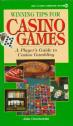
The author, a gaming columnist with a long list of credentials, offers the 'lingo,' strategies, and etiquette for slots, video poker, blackjack, craps, roulette, baccarat, and bingo in pocketbook form. This makes a good starting point for the novice and a nice little gift for someone who wants an introduction to gambling in general.
Why Players Hate 'Hidden Rules' in Rewards Systems
Players love rewards. We love the little pop-up, the shiny badge, and the “claim” button. The problem starts when the reward looks simple, but the rules are not. That is when players feel There are occasions when we here at ReadyBetGo want to bring you interesting facts about the gambling industry When something catches our eye, we will publish it for your enjoyment.
tricked, not treated. In games, that feeling spreads fast. It turns hype into anger, and loyal players into quitters. The wild part is that most studios could fix this with a clearer design.
When “Instant Rewards” Come With Fine Print
A good rewards system feels like a promise you can understand. You do the thing, you get the thing, and you move on. Hidden rules break that loop. Players do the thing, then learn there is a catch, and it feels personal. That is why “hidden rules” get more hate than a tough boss fight.
We see the same pattern in many online services, too, not only games. Casino bonuses are a clear example because the rule layer is built in. Many players want simple offers with no hidden turnover, and that is why we sometimes point people to no wagering bonuses for Aussie players when they ask for promos that do not lock winnings behind long rollover terms. One reason offshore play is common is speed, but the rule clarity still decides who stays.
Hidden rules usually look like one of these:
- A reward that expires before most players can use it
- A “boost” that only works in one mode, at one time
- A pass that needs daily play, but the game never says that clearly
- A “free” item that costs extra steps, or extra spend, to matter
Why Hidden Rules Hurt More Than Hard Gameplay
Hard games can still feel fair. You lose, but you know why. Hidden rules feel unfair because the game kept key info from you. That is a different kind of pain. It is less about skill and more about being played.
This is why players can accept brutal roguelikes, but rage at a “limited time” shop trick. Skill pain feels earned. Trick pain feels cheap. Once players feel that cheap hit, they stop believing future rewards are real.
A lot of modern rewards systems also lean on time pressure. They use timers, streaks, and fear of missing out. That can work for short bursts, but it builds stress over time. Stress makes players spend less wisely and enjoy less fully.

The Battle Pass Trap: It Looks Simple, Until It Owns Your Week
Battle passes can be great when they match normal play. You log in, you play, you level up, and you unlock cosmetics. The problem is when the pass is tuned for daily chores, not fun sessions. Then it stops being a reward track and becomes a job schedule.
A lot of passes hide the real pace behind friendly numbers. “100 tiers” sounds fine until you do the math. If progress is slow, the pass quietly demands long play hours. If you miss a week, you feel behind, even if you paid for it. That is where the anger starts.
The worst version is when the pass uses two currencies and three types of XP. You can still figure it out, but it should not take a spreadsheet. Players notice when the game is doing that on purpose. They call it manipulation because that is what it feels like.
Here is how we judge a battle pass in about two minutes:
- Can a casual player finish it with normal play?
- Are the best rewards near the end, or spread out fairly?
- Can you make up the missed time without paying extra?
- Does the game explain the rules in plain words?
If the answer is “no” twice, we skip buying. It is not about being cheap. It is about not rewarding a system that hides the real deal.
Loot Boxes And Gacha: The Odds Are The Whole Point
Loot boxes and gacha pulls sit in a weird spot. They can feel fun, like opening packs of cards. They can also feel brutal, like feeding coins into a machine. The key difference is transparency. If odds are hidden, the system is built to confuse.
This is why labels and rules have started to matter more. The ESRB added an “In-Game Purchases (Includes Random Items)” label to warn players about randomized purchases. That label is not a magic fix, but it shows the pressure is real. People want to know what they are buying before they spend.
Regulators and consumer groups have also been digging into loot boxes for years. The FTC even ran a workshop and published a staff paper on loot boxes, covering concerns and research themes. The UK Gambling Commission has also kept a public position on loot boxes and related issues.
From a player's view, the pain points are simple:
- You do not know your real chance of getting the item
- The “pity” system is not explained clearly
- The shop pushes bundles that hide the true cost
- The game uses limited banners to trigger panic buys

The Psychology Bit Nobody Wants To Admit
Most players do not hate rewards. We hate feeling controlled. Hidden rules push people into choices they would not make with full info. That is why these systems cause backlash, even in big games with great gameplay.
There is also the “sunk cost” effect. Once you pay for a pass, you feel forced to play. Once you start a streak, you fear breaking it. Once you are close to a rare drop, you feel “due.” None of that is skill. It is pressure.
A qualitative study on microtransactions found that some players who buy battle passes feel an obligation to keep playing after purchase. That tracks with what we hear in real player talk, too. People say, “I paid, so I have to finish.” That is not a reward. That is a leash.
A healthier reward system does the opposite. It makes you feel free. You can take a week off, come back, and still enjoy it. When a game respects your time, players respect the game back.
What Good Reward Design Looks Like In Plain Terms
We do not think all rewards are bad. We think bad rules are bad. The best systems share one trait. They tell you the truth up front.
Good reward design usually follows these basics:
- Clear progress bars that match real play time
- Rewards you can use right away, without extra steps
- No surprise limits, like hidden caps or forced modes
- Simple rules you can read in under one minute
- Catch-up tools that do not feel like paywalls
We also like it when games show the math. If XP gain changes, say it. If odds change by banner, show it. If a pass is easier with daily play, admit it in the pass page. Players can handle the truth. They just hate learning it too late.
Conclusion
Hidden rules break trust faster than almost anything else in games. Players can forgive bugs, balance swings, and even rough launches. What we do not forgive is being misled on purpose. Rewards should feel like a thank you, not a trick.
If you design rewards, keep them clear, simple, and honest. If you play games, treat confusing rewards like a warning sign. The best move is often to step back, spend less, and support games that respect your time. That is how players push the industry toward better systems.